Geoscientists and oceanographers
Career Overview
Geoscientists and oceanographers include geologists, geochemists and geophysicists, as well as oceanographers and fisheries scientists. Although these fields can seem very different, they require similar certification and studies and overlap in surprising ways.
Geoscientists can perform field and laboratory research to gain knowledge of the earth's structure, composition and processes. This role includes the study and investigation of Earth’s minerals, soil, water and energy resources: how Earth’s natural systems work today, how they operated in the recent and ancient past and how they might behave in the future.
This includes the behaviour of water both on the planet’s surface and underground, including streams, oceans, groundwater and glaciers, as well as how these waterways interact with nearby land, such as riverbank erosion. Geoscience includes paleontology, volcanology, and various other specialties.
Members of this group can also locate, identify and extract hydrocarbon, mineral and groundwater resources. They find out how development and waste disposal projects affect the environment, and how to lessen the effects. They also examine earth surface processes such as stream flow and bank erosion, and are involved in the planning of earthworks such as retaining walls, berms, mineshafts and the use of geotextile fabric to hold soil in place during construction projects.
Oceanographers study the physical and chemical processes associated with oceans. This includes nutrient flows, chemical changes over time, interactions with the atmosphere, how ocean currents work and the impact of human activities on marine ecosystems.
Job Titles
Duties
Geoscientists:
- Conduct theoretical and applied research to extend knowledge of surface and subsurface features of the earth, its history and the operation of physical, chemical and biological systems that control its evolution
- Plan, direct and participate in geological, geochemical and geophysical field studies, including drilling and geological testing programs
- Plan and conduct seismic, electromagnetic, magnetic, gravimetric, radiometric, radar and other remote sensing programs
- Plan, direct and participate in analyses of geological, geochemical and geophysical survey data, well logs and other test results, maps, notes and cross sections
- Test geological materials in lab environments to determine their chemical and mineralogical composition and physical properties
- Develop models and applied software for the analysis and interpretation of data
- Plan and conduct analytical studies of core samples, drill cuttings and rock samples to identify chemical, mineral, hydrocarbon and biological composition and to assess depositional environments and geological age
- Assess the size, orientation and composition of mineral ore bodies and hydrocarbon deposits
- Identify deposits of construction materials and determine their characteristics and suitability for use as concrete aggregates, road fill or for other applications
- Conduct geological and geophysical studies for regional development and advise in areas such as site selection, waste management and restoration of contaminated sites
- Recommend the acquisition of lands, exploration and mapping programs and mine development
Identify and advise on anticipated natural risks such as slope erosion, landslides, soil instability, subsidence, earthquakes and volcanic eruptions - Conduct theoretical and applied research to advance understanding of groundwater occurrence, flow systems and the various processes influencing aquifer behavior
- Plan, direct and participate in groundwater field investigations, including the installation and testing of monitoring wells, aquifer pump tests and geological logging of subsurface materials
- May supervise and coordinate well drilling and mining activities
- Geologists can specialize in coal geology, environmental geology, geochronology, hydrogeology, mineral deposits or mining, petroleum geology, forensic geology, stratigraphy, tectonics, volcanology or other specialties
- Geochemists can specialize in analytical geochemistry, hydrogeochemistry, applied or mineral exploration geochemistry or petroleum geochemistry or other specialties
- Geophysicists can specialize in petroleum geology, earth physics, geodesy, geoelectromagnetism, seismology or other specialties
Oceanographers:
- Conduct theoretical and applied oceanographic research programs and expeditions to extend knowledge of the physical, chemical and biological properties and functioning of oceans
- Plan, direct and participate in sampling and analysis of seawater, plankton, fish, sediments and rocks
Study physical properties of oceans to develop models, charts and computer simulations of ocean conditions, such as tides, waves, currents and sediment transport - Explore ocean floor and submarine geological structures
- Conduct seismic surveys and study formation of ocean basins and other structures to map ocean floor, coastal erosion, sediment accumulation and areas for offshore oil and gas exploration
- Plan and conduct investigations on ocean chemical properties and processes, ocean floor and marine atmosphere and undersea volcanoes to study impacts of environmental changes
- Study marine life and interaction with physical and chemical environments to assess impacts of pollutants on marine ecology and to develop sustainable aquaculture methods
- Can specialize in biological, chemical, geological or physical oceanography, or in other fields related to the study of oceans
As technology advances, large data sets are both increasingly available and hosted online. This supplements direct field observation, enabling longitudinal studies spanning decades or even centuries, and increases the relevance of statistical and machine-learning methods related to large data sets.
Field geology and similar specialties increasingly include operation of drones with mounted cameras and other ways of exploring potentially dangerous environments without being physically present.
Earnings
Earnings is income that workers receive in exchange for their labour. Depending on the type of employment, earnings can be in the form of wages (hourly), salaries (fixed monthly or annual) or self-employed earnings.
Work Environment
# Workers Employed
2,250% Employed Full Time
60%Geoscientists spend time both in an office or laboratory and outdoors conducting field work. Field work locations vary depending on specialization and the location of the work site. For example, geologists or geomorphologists may frequently travel to remote field sites by helicopter or other means and cover large areas on foot, whereas geological and geophysical oceanographers often collect data while at sea on ships. Exploration geologists and geophysicists frequently relocate, as their work requires them to live in different communities adjacent to work sites, whether in remote areas of B.C., in other parts of Canada or overseas.
Although hours are often regular, seasonal site access limitations, remote location or data gathering equipment requirements can mean working longer or less regular hours. Those working in corporate, consulting or research positions may experience stress when facing deadlines to submit proposals, research grant applications and technical reports.
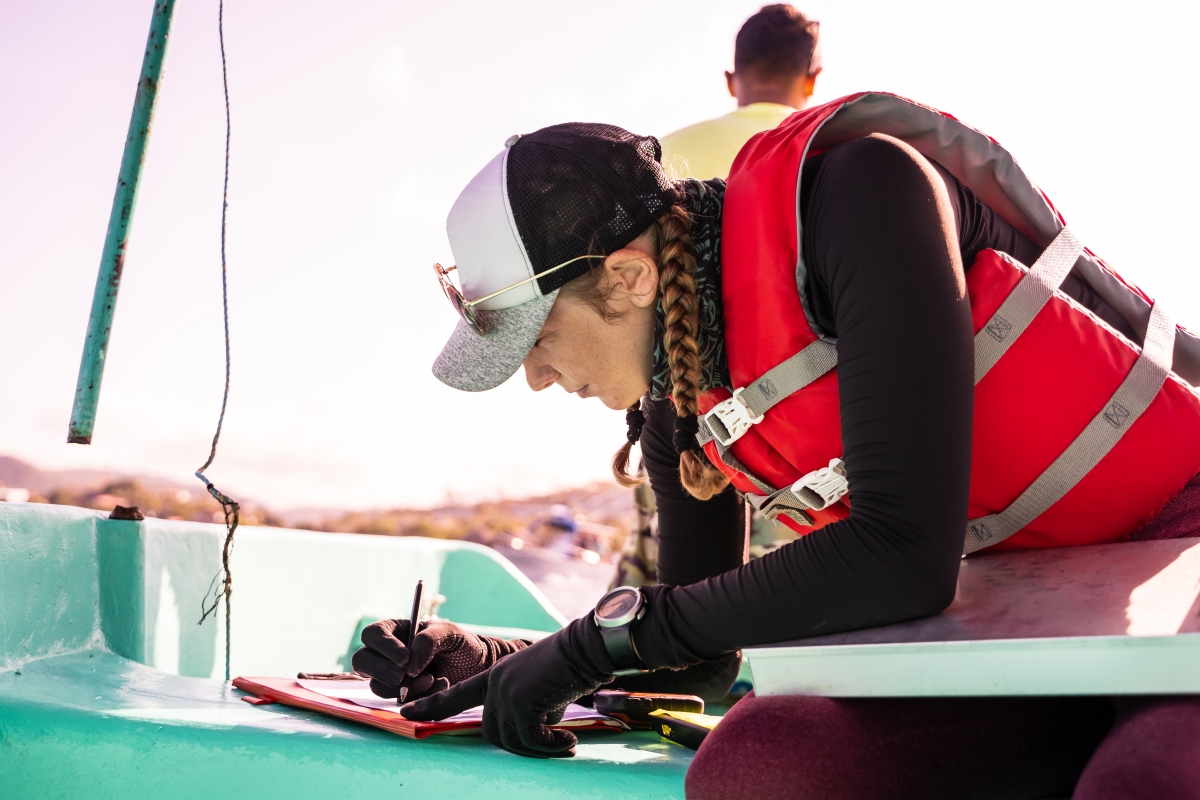
Field work in locations, such as mines, drill sites or rugged terrain, may expose individuals to safety hazards, which can be minimized with safety precautions. Geoscientists may experience exposure to extreme weather conditions, insects, wildlife and other outdoor hazards while working in the field. Field work such as gathering samples may require geoscientists to hammer, dig, use tools, and encounter water, snow and ice. Physical stamina is important for field work, since this requires carrying rock samples and heavy equipment, sometimes in difficult weather conditions. Many formerly dangerous geoscientific and oceanographic tasks can now be completed or augmented with drones, satellites and other tools for collecting data at a distance, further reducing the risks of this profession.
Industry sources also report that the globalization of mineral exploration has resulted in many B.C.-based geoscientists working on projects in other countries and climates around the world, often in developing countries in remote rural settings. As such, the risk of infections, diseases and simple injury (because of the distance from modern medical care facilities) is now greater. However, available precautions greatly mitigate this risk.
Some geochemists may be exposed to health or safety hazards when handling certain chemicals, like other laboratory workers; routine use of personal protective equipment (PPE) mitigates this risk. Laboratory work can include sitting or standing for long periods and protracted use of computers and specialized equipment.
Career Pathways
New graduates must work as geoscientists in training (G.I.T.) to obtain the work experience necessary to become certified as Professional Geoscientists (P.Geo). Some positions, even entry-level positions, may require additional qualifications, including first aid training for field positions or hydrogeology training for hydrogeologist qualified person roles.
Entry-level positions in this group are often field-oriented, as it is common for older and senior practitioners to move toward positions based in offices and laboratories. This is especially true as B.C.-based positions related to mineral exploration in other countries continue to grow.
With further training and experience, people in this group can move between specializations in this group or advance into senior positions, such as project geologist, project manager, senior geoscientist, senior hydrogeologist, manager exploration, principal geologist, partner or VP exploration.
Senior group members can also move into academia or regulatory roles.
Occupational Interests
It’s important to understand what kinds of occupations align with your interests.
For more about occupational interests visit Skills for the Future Workforce > Characteristics.
Here are the top occupational interest(s) for this career profile:

Education, Training and Skills
Geologists, geochemists and geophysicists must complete a bachelor’s degree in geology, environmental geoscience, geochemistry, geophysics or a related discipline. Some specialties require matching degrees or the ability to demonstrate specific relevant expertise.
Most members of this group must register with Engineers and Geoscientists British Columbia (EGBC) as Professional Geoscientists (P.Geo); to obtain this registration, geoscientists must:
- Take a certain number of required university courses; most four-year earth science degrees are sufficient
- Gain at least four years of supervised work experience under a professional geoscientist
- Pass a professional ethics examination
Aspiring members of this group may benefit from or need to pursue other education and certifications:
- A master's degree or a PhD is required for some positions
- Business administration education is useful for geoscientists working in project management
- First aid certification is also beneficial for workers that conduct field assessments and may be required for some roles
- A master's or doctoral degree in geophysics, physics, mathematics or engineering may be required for employment as a geophysicist
- Oceanographers require a university degree in science, mathematics, statistics or engineering and usually require a graduate degree in oceanography
Outside of B.C., most members of this profession must register with a territorial or provincial regulatory organization to practice there. Only Prince Edward Island and Yukon lack this requirement.
Education programs in B.C.

Top Skills
Every job calls for a certain set of skills. Knowing those skills is the first step in finding a good career fit.
Here, you will find the 10 most relevant workplace skills. Some are more important to achieving success in a certain career than others. These skills may come naturally to you or you may need to gain them through education, training and experience.
See the list of work-related skills below, ranked in order of importance for this career. Check out the list and see if this career matches your skills—take that first step!

Understanding written sentences and paragraphs in work-related documents.

Using logic and reasoning to identify the strengths and weaknesses of alternative solutions, conclusions or approaches to problems.

Using scientific rules and methods to solve problems.

Giving full attention to what other people are saying, taking time to understand the points being made, asking questions as appropriate, and not interrupting at inappropriate times.

Talking to others to share information effectively.

Being able to solve novel, ill-defined problems in complex, real-world settings.

Communicating effectively in writing as appropriate for the needs of the audience.

Considering the relative costs and benefits of potential actions to choose the most appropriate one.

Using mathematics to solve problems.

Understanding how new information could be used to solve current and future problems in making decisions.
Labour Market Statistics
Discover data, facts and information that have been gathered and analyzed. Learn about the characteristics of the economy and labour market in B.C.
Employment
Find out about employment types and trends by region and industry.
Employment
2,250Employment by Region

| Region | Employment | % Employment of this Occupation |
|---|---|---|
| Cariboo | 65 | 2.9% |
| Kootenay | 150 | 6.7% |
| Mainland/Southwest | 1,190 | 52.8% |
| North Coast and Nechako | 15 | 0.7% |
| Northeast | 0 | 0.0% |
| Thompson-Okanagan | 320 | 14.2% |
| Vancouver Island/Coast | 505 | 22.4% |
Labour Market Outlook
The B.C. Labour Market Outlook is a 10-year forecast of the expected supply and demand for labour in the province. It’s usually updated every year. The purpose is to provide British Columbians with the knowledge to make informed decisions on careers, skills training, education and hiring.
Forecasted Job Openings (2025-2035)
980Forecasted Job Openings
Forecasted Employment Growth Rate
Composition of Job Openings
Job Openings by Region (2025-2035)
| Region | Job Openings | Avg. Annual Employment Growth |
|---|---|---|
| Cariboo | 10 | -0.7% |
| Kootenay | 60 | 0.4% |
| Mainland/Southwest | 470 | 0.6% |
| North Coast and Nechako | 10 | 0.8% |
| Northeast | Not available | Not available |
| Thompson-Okanagan | 130 | 1.1% |
| Vancouver Island/Coast | 290 | 1.6% |
Industry Highlights
Learn about the opportunities in B.C.'s major industries, including employment trends, earning potential, locations of work and more.
Forecasted Job Openings by Industry
| Industry | Job Openings (2025-2035) |
|---|---|
| Professional, Scientific and Technical Services | 560 |
| Mining and Oil and Gas Extraction | 320 |
| Public Administration | 50 |
| Construction | 10 |
| Educational Services | 10 |
Insights from Industry
This occupational group is growing due to both the creation of new jobs and the retirement of existing practitioners, especially after the lower levels of retention within this group in the 1980s and 1990s. The expansion of resource exploration, scientific expeditions and aquaculture within B.C. are all contributing to increased demand for this group. As the current supply of graduates in relevant fields is insufficient to meet demand, it is likely that the gap will be filled via immigration.
Industry sources report that more geoscientists are expected to be based in the Lower Mainland and less in other areas of B.C. Improved travel and instant communications make it easier for geoscientists to reside centrally and work remotely.
New jobs in this occupational group will likely come from oil, gas and mining exploration activities in the province, or from activities in other part of the world being undertaken by companies based in B.C. Prices of oil, gas and certain metals and minerals have soared in recent years due to increased world demand, which will generate some new job opportunities. Growth in the minerals sector is especially fast and steady.
Industry sources also report that opportunities will likely become available in the environmental geosciences sector. This sector employs the second highest number of geoscientists and is currently experiencing a significant shortage of qualified graduates. Growth opportunities in this group, particularly for geologists, geochemists and geophysicists, are also expected to come from growth in business services that provide geological services, either internationally or to local companies involved in international exploration.
Demand for members of this group for land use planning, risk assessment and water resources management is increasing. Independent power projects in B.C. are also a source of demand for professionals in this group. Demand for members of this group for surveying and mapping is decreasing.
Resources
-
Association for Mineral Exploration British Columbia (AME BC)www.amebc.ca
-
Association of Applied Geochemists (AAG)www.appliedgeochemists.org
-
BC Society of Engineering and Geoscientists (BCSEG)bcseg.ca
-
Canadian Society of Exploration Geophysicists (CSEG)cseg.ca
-
Canadian Society of Petroleum Geologists (CSPG)www.cspg.org
-
Centre of Training Excellence in Mining (CTEM)www.bc-ctem.ca
-
Engineers & Geoscientists BCwww.egbc.ca
-
Geological Association of Canada (GAC)www.gac.ca
-
Geoscience BCwww.geosciencebc.com
-
Geoscientists Canadageoscientistscanada.ca
-
Mining Association of British Columbia (MABC)www.mining.bc.ca
-
Prospectors and Developers Association of Canada (PDAC)www.pdac.ca
Career Videos
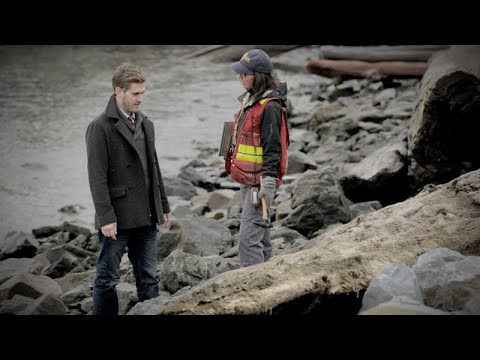
Watch the video below to see what a day in the life of a geologist is like.
Watch the video below to see what a day in the life of a geologist is like.