Respiratory therapists, clinical perfusionists and cardiopulmonary technologists

 High opportunity occupation
Career Overview
Respiratory therapists, clinical perfusionists and cardiopulmonary technologists run tests and perform therapies related to breathing, blood and heart function. Respiratory therapists, clinical perfusionists and cardiopulmonary technologists who are supervisors or instructors are included in this group.
Respiratory therapists:
- Assist physicians in the evaluation, diagnosis, treatment and care of patients with respiratory and cardiopulmonary disorders
- Perform cardiopulmonary technology duties, assisting physicians in the technical aspects of diagnosis and treatment of cardiovascular and pulmonary disease
- Work in hospitals, extended care facilities, public health centres, sleep clinics, dental clinics and respiratory home-care companies
Clinical perfusionists (also known as cardiovascular perfusionists):
- Provide technical support to patients undergoing cardiac surgery and patients requiring cardio-respiratory support
- Are highly specialized practitioners who manage cardiopulmonary and other life support devices for patients undergoing cardiovascular surgery
- Work mainly in hospitals
Cardiopulmonary technologists:
- Assist physicians in the technical aspects of diagnosis and treatment of cardiovascular and pulmonary disease
- Work mainly in hospitals
The cardio-pulmonary technologist profession is not formally recognized as a discipline in B.C. but is in other jurisdictions in Canada.
People in these occupations:
- Should have strong interpersonal skills to work well with staff and patients
- Should have good attention to detail
- Should have good computer and equipment skills
- Must be able to follow instructions and work well under pressure
Job Titles
Duties
Some duties, such as training students and participating in research, are shared across this group, while others are particular to specialties within it.
Respiratory therapists:
- Run diagnostic tests, such as arterial blood gas analysis and cardiopulmonary functions tests
- Operate and monitor respiratory equipment to give treatments such as oxygen, oxygen-air mixtures, humidified air or medications
- Operate, monitor, maintain and test a variety of diagnostic and therapeutic equipment
- Assess patients and perform or help with interventions, such as airway maintenance, line insertions, inductions and intubations
- Do artificial respiration and external cardiac massage and help transport high-risk patients
- Supervise and train students and other respiratory therapists
- May participate in home-care programs for chronic respiratory patients and provide patient and family education
- Participate in research related to cardiac and pulmonary disorders
Respiratory therapists in B.C. also perform cardiopulmonary technologist duties, as described below under the description for cardiopulmonary technologists.
Cardiopulmonary technologists:
- Perform diagnostic tests in other Canadian jurisdictions such as pulmonary function and asthma stress tests, or help physicians with cardiac and cardiopulmonary stress tests and bronchoscopies
- Determine patients’ blood characteristics such as activated clotting time and oxygen saturation
- Operate, monitor, maintain, calibrate and test diagnostic and therapeutic equipment
- Monitor patients and advise the physician of any changes in a patient's condition
- Prepare medications and give inhaler and other treatments under the supervision of a cardiologist
- Provide information and care for patients during tests
- Help prepare the cardiac catheterization room, prepare specialized catheters and help cardiologists during catheterization
- Do analysis, programming and monitoring of implanted devices such as pacemakers and defibrillators during surgery
- Supervise and train students and other cardiopulmonary technologists
- Provide technical support for research
The cardiopulmonary technologist profession is not formally recognized as a distinct discipline in B.C. In B.C., respiratory therapists perform these duties.
Clinical perfusionists:
- Assemble, maintain and operate extracorporeal circulation equipment, intra-aortic balloon pumps and other heart assist devices to support or temporarily replace patients' cardiopulmonary functions during open-heart surgery or in critical care environments
- Make real-time clinical decisions in high-risk environments related to patient circulation and breathing
- Administer blood products, drugs and other substances through heart-lung machines and other devices as directed by cardiac surgeons and anaesthetists to maintain adequate flow of oxygenated blood to all organs of the body
- Monitor vital signs to support and maintain patients' physiological functions and metabolic needs during extracorporeal support
- Participate in routine maintenance, calibration and inspection of all perfusion-related equipment
- Supervise and train student clinical perfusionists and other clinical perfusionists.
Earnings
Earnings is income that workers receive in exchange for their labour. Depending on the type of employment, earnings can be in the form of wages (hourly), salaries (fixed monthly or annual) or self-employed earnings.
Work Environment
# Workers Employed
1,405% Employed Full Time
65%Most workers in these occupations work a typical 40-hour workweek. However, 8- to 12-hour shifts, usually on rotation, including weekends, evenings, nights and holidays are common. In addition, workers may be on call for emergencies and required to work long hours.
Respiratory therapists, clinical perfusionists and cardiopulmonary technologists generally work in healthcare facilities. The work is physically demanding, as these workers spend long periods standing and walking throughout hospitals. The work also involves a lot of bending and lifting.
Workers may also have to cope with the emotional aspects of working with the sick, injured and terminally ill, as well as patients’ families, in high-stress situations.
Working in healthcare settings includes risk of disease exposure and roles in this group have an elevated risk of airborne disease exposure. Protective equipment, infection control procedures and sterilization practices mitigate these risks.
Note that clinical perfusionists in B.C. can work only in one of five hospitals in major urban centres; there are no suitable facilities elsewhere in the province.
Career Pathways
Respiratory therapists can specialize in areas such as anesthesia, critical care, pediatrics, cardiopulmonary diagnostics and respiratory home and community care, research and private health industry.
Experienced respiratory therapists, clinical perfusionists and cardiopulmonary technologists may advance to clinical specialist, supervisory positions or teaching.
Occupational Interests
It’s important to understand what kinds of occupations align with your interests.
For more about occupational interests visit Skills for the Future Workforce > Characteristics.
Here are the top occupational interest(s) for this career profile:


Education, Training and Skills
Entry-level training programs in respiratory therapy, clinical perfusion and cardiopulmonary technology are generally two to three years in length. Positions in this group almost always require certification from a relevant certifying body, as described below.
To become a Registered respiratory therapist (RRT) with the Canadian Society of Respiratory Technologists (CSRT) requires:
- Completion of an accredited Respiratory Therapy program in Canada
- Completion of the national registration exams provided by Health Professionals Testing Canada (formerly the Canadian Board for Respiratory Care)
All respiratory therapy training programs in Canada are a minimum of three years. Respiratory therapists may also become members of the British Columbia Society of Respiratory Therapists (BCSRT). For more information, visit the Canadian Society of Respiratory Therapists (CSRT) and the BCSRT.
In B.C., the duties typically performed by cardiopulmonary technologists in other provinces are instead performed by respiratory therapists. Outside of B.C., becoming a Registered Cardiopulmonary Technologist with the Canadian Association of Cardio-Pulmonary Technologists (CACPT) requires the following:
- A Bachelor of Science degree in an appropriate discipline, a medical technology diploma in an appropriate discipline, or a nursing degree or diploma
- Demonstration of practical experience through work experience or completion of a recognized cardiovascular program or pulmonary courses
- Passing the CACPT registration exams
Clinical perfusionists must be certified or eligible for certification by the Canadian Society of Clinical Perfusion (CSCP). Certification requires:
- Completion of an accredited clinical perfusion program. All three Canadian clinical perfusion programs require a bachelor’s degree as a condition of entry
- Completion (or challenge) of the CSCP national credentialing exam
Those currently enrolled in an accredited clinical perfusion program can become student CSCP members.
Workers who are certified for an occupation by a regulator elsewhere in Canada can apply for the same certification from the regulator in B.C. Under the terms of the Canadian Free Trade Agreement (CFTA), most applicants who are transferring their credentials from elsewhere in Canada will not be required to complete additional training or testing. However, the B.C. regulator may ask applicants to provide further information such as a letter of good standing, references, or criminal record check.
For those who trained outside of Canada and never received certification from any Canadian jurisdiction, a full assessment is likely needed. Most occupational regulators have a process for to assessment and recognize internationally trained applicants.
For information about labour mobility in Canada, visit www.workersmobility.ca.
View a list of Professional Regulatory Authorities in B.C.
Education programs in B.C.

Top Skills
Every job calls for a certain set of skills. Knowing those skills is the first step in finding a good career fit.
Here, you will find the 10 most relevant workplace skills. Some are more important to achieving success in a certain career than others. These skills may come naturally to you or you may need to gain them through education, training and experience.
See the list of work-related skills below, ranked in order of importance for this career. Check out the list and see if this career matches your skills—take that first step!

Giving full attention to what other people are saying, taking time to understand the points being made, asking questions as appropriate, and not interrupting at inappropriate times.

Talking to others to share information effectively.

Using logic and reasoning to identify the strengths and weaknesses of alternative solutions, conclusions or approaches to problems.

Understanding written sentences and paragraphs in work-related documents.

Being aware of others’ reactions and understanding why they react as they do.

Keeping track of and assessing your performance, other individuals, or organizations to make improvements or take corrective action.

Actively looking for ways to help people.

Understanding how new information could be used to solve current and future problems in making decisions.

Considering the relative costs and benefits of potential actions to choose the most appropriate one.

Being able to solve novel, ill-defined problems in complex, real-world settings.
Labour Market Statistics
Discover data, facts and information that have been gathered and analyzed. Learn about the characteristics of the economy and labour market in B.C.
Employment
Find out about employment types and trends by region and industry.
Employment
1,405Employment by Region

| Region | Employment | % Employment of this Occupation |
|---|---|---|
| Cariboo | 35 | 2.5% |
| Kootenay | 35 | 2.5% |
| Mainland/Southwest | 895 | 63.7% |
| North Coast and Nechako | 0 | 0.0% |
| Northeast | 0 | 0.0% |
| Thompson-Okanagan | 205 | 14.6% |
| Vancouver Island/Coast | 230 | 16.4% |
Labour Market Outlook
The B.C. Labour Market Outlook is a 10-year forecast of the expected supply and demand for labour in the province. It’s usually updated every year. The purpose is to provide British Columbians with the knowledge to make informed decisions on careers, skills training, education and hiring.
Forecasted Job Openings (2025-2035)
1,000Forecasted Job Openings
Forecasted Employment Growth Rate
Composition of Job Openings
Job Openings by Region (2025-2035)
| Region | Job Openings | Avg. Annual Employment Growth |
|---|---|---|
| Cariboo | 20 | 1.6% |
| Kootenay | 20 | 2.2% |
| Mainland/Southwest | 660 | 2.2% |
| North Coast and Nechako | Not available | Not available |
| Northeast | Not available | Not available |
| Thompson-Okanagan | 120 | 1.9% |
| Vancouver Island/Coast | 180 | 2.1% |
Industry Highlights
Learn about the opportunities in B.C.'s major industries, including employment trends, earning potential, locations of work and more.
Forecasted Job Openings by Industry
| Industry | Job Openings (2025-2035) |
|---|---|
| Health Care and Social Assistance | 990 |
| Retail Trade | 10 |
Insights from Industry
B.C.’s population is both growing and aging, increasing demand for all healthcare services. An aging population is likely to increase demand for professionals in this group more than it increases demand for some other healthcare categories. This is because of the higher incidence of respiratory ailments and cardiopulmonary diseases, such as pneumonia, chronic bronchitis, emphysema and heart disease in elderly populations.
Advances in treatment for heart attacks, accidents and premature babies will also continue to increase demand for workers in these occupations. Industry sources report a significant shortage of respiratory therapists, especially in larger hospitals, well in excess of the supply of current graduates, leading to interprovincial and international hiring.
There is also pressure from regulators to reduce hospital stays, increase outpatient services and promote prevention and wellness programs, all of which may reduce demand for occupations in this group in the medium to long term.
As with most other healthcare specialties, there is an especially acute shortage of members of this group in rural and northern regions of B.C. However, there are no facilities capable of employing clinical perfusionists in these regions.
Advances in medical technologies, treatments and procedures mean members of this group must stay on top of new innovations to be effective in their jobs.
The current supply of clinical perfusion graduates is also insufficient due to a lack of a clinical perfusionist programs in western Canada. A new perfusionist program is now available at the British Columbia Institute of Technology.
Resources
-
B.C. Ministry of Healthwww.gov.bc.ca/health
-
BC Children's Hospital – Careerswww.bcchildrens.ca/careers
-
British Columbia Society of Respiratory Therapists (BCSRT)www.bcsrt.com
-
Canadian Association of Cardiopulmonary Technologists (CACPT)www.cacpt.ca
-
Canadian Society of Clinical Perfusionwww.cscp.ca
-
Canadian Society of Respiratory Therapists (CRST)www.csrt.com
-
National Alliance of Respiratory Therapy Regulatory Bodies (NARTRB)www.nartrb.ca
-
Health Professionals Testing Canadahptc.ca
-
Provincial Health Services Authority (PHSA) – Jobsjobs.phsa.ca/
Career Videos
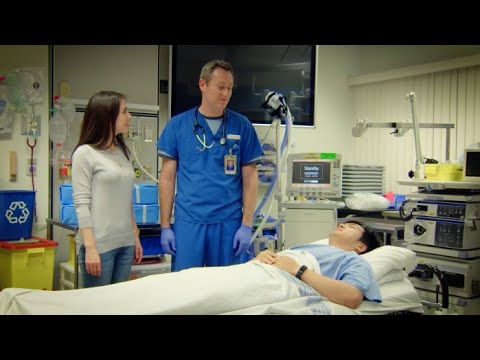
Watch the video below to see what a day in the life of a respiratory therapist is like.
Watch the video below to see what a day in the life of a respiratory therapist is like.