Medical radiation technologists

 High opportunity occupation
Career Overview
Medical radiation technologists (MRTs) use specialized equipment to take medical images and deliver radiation treatments that help diagnose and treat injuries and diseases. They rely on strong technical knowledge to operate imaging and therapy machines safely and accurately, supporting clear diagnoses and effective care.
They work with advanced technology, follow strict safety and quality standards and adjust their practice as new imaging and radiation tools are introduced. Their role is central to providing safe, evidence based medical imaging and treatment.
This group consists of four primary specialties: magnetic resonance imaging technologists, radiological technologists, nuclear medicine technologists and radiation therapists. Each specialty has a distinct certification pathway.
Magnetic resonance imaging technologists are certified in magnetic resonance imaging (MRI), which produces high-quality cross-sectional, three-dimensional and functional images of soft tissues and internal structures using magnetic fields rather than ionizing radiation. They apply expertise in anatomy, pathology, physics and patient safety to tailor protocols and positioning and optimize image quality while providing personalized, precision care. MRI procedures often require continuous engagement with patients, so MRI technologists communicate clearly, provide reassurance, enhance comfort and facilitate cooperation during lengthy or complex scans. Their work incorporates advanced and evolving techniques that expand diagnostic and therapeutic capabilities and is performed within specialized environments with strict safety controls to protect patients, staff, and the public.
Nuclear medicine technologists use radiopharmaceuticals to generate functional images, often alongside procedures such as x-rays, Positron Emission Tomography/Computed Tomography (PET/CT) and Single Photon Emission Computed Tomography/Computed Tomography (SPECT/CT). These images may then be combined to enhance diagnostic accuracy and provide precise insights into disease detection and management. In addition to imaging, nuclear medicine MRTs administer radiopharmaceuticals for both diagnostic and therapeutic purposes, enabling targeted, personalized care for specific conditions. Drawing on expertise in physiology, anatomy, pharmacology, radiation safety and instrumentation, they tailor procedures to deliver accurate diagnostic and therapeutic information that guides clinical decision making and optimizes patient outcomes.
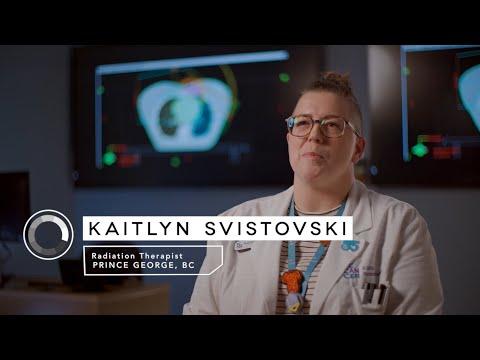
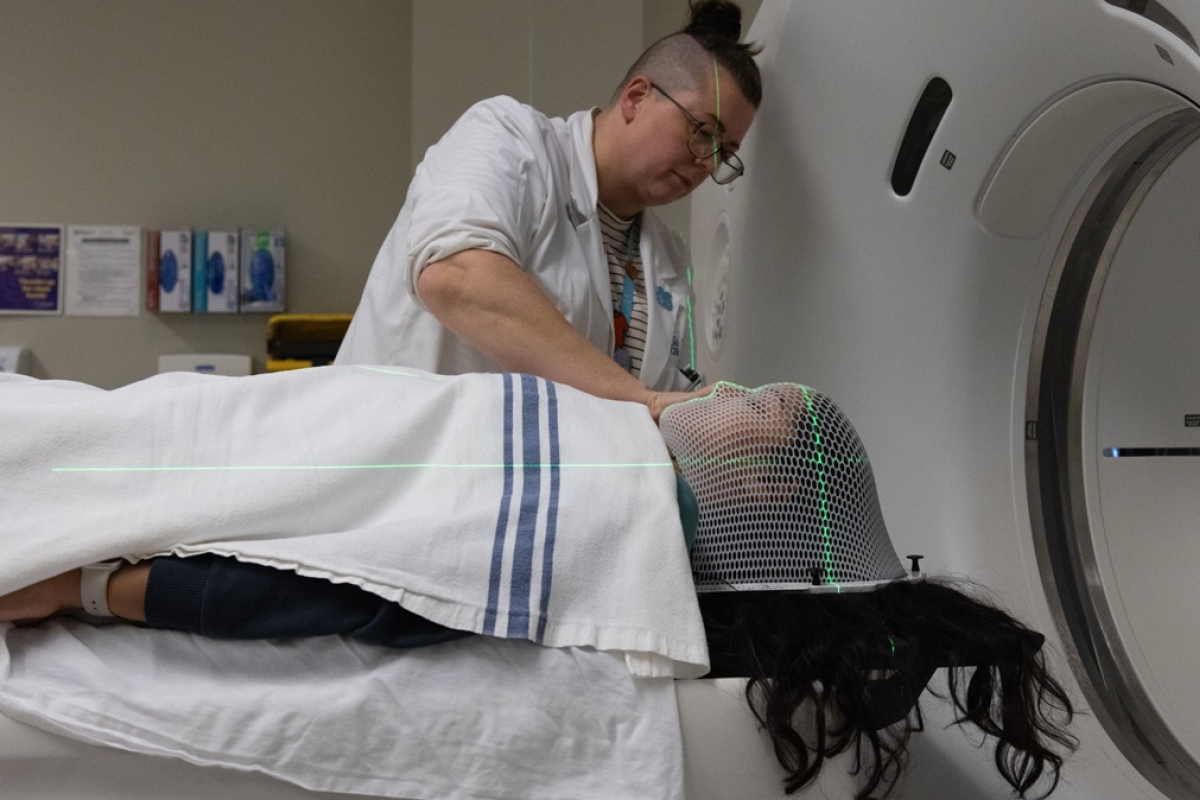
Radiation therapy technologists plan, deliver and adapt therapeutic radiation to provide person-centred precision care to individuals with cancer and similar conditions. Using advanced imaging and treatment systems, they evaluate, verify and refine treatment plans to precisely target disease, while minimizing danger to healthy tissue. They provide comprehensive care through patient assessment, education and management of radiation-induced side effects and support patients, families and other care personnel in prevention, symptom management and overall well-being.
Medical radiation technologists in radiological technology use a range of x-ray-based imaging modalities, including general radiography, fluoroscopy, computed tomography (CT), and interventional procedures to visualize anatomical structures for diagnostic and therapeutic purposes across diverse clinical environments. They integrate their expertise in anatomy, pathology, physics, radiation safety and patient care to perform and adapt procedures that optimize image quality while providing person-centred, safe, and effective care. Their expertise supports accurate diagnosis, guides therapeutic interventions and informs treatment planning.
Job Titles
Duties
Medical radiation technologists have different duties depending on their specialty.
Magnetic resonance imaging technologists and radiological technologists:
- Operate x-ray, radiographic and fluoroscopic equipment, computed tomography (CT) scanners, mammography units or magnetic resonance imaging (MRI) scanners, depending on specific title and certification, to produce radiographs or anatomic images of the human body for use in diagnosing disease or injury
- Record and process patient data and do basic verification and quality control checks on radiographic equipment
- Explain procedures, position patient and equipment, provide appropriate care for patients during radiographic examination and apply protection measures
- Collaborate with other health professionals as part of medical teams
- Transport patients using wheelchairs and assist patients with limited mobility
- Perform venipuncture or rectal tube insertion to dose contrast dye as part of imaging
- Train, mentor, supervise and educate students, new practitioners and technologists pursuing new certifications
- Can work in high-intensity settings such as operating rooms, emergency rooms and intensive care units
- Can specialize in areas such as computerized tomography, angiography, mammography, magnetic resonance imaging or interventional radiology
Nuclear medicine technologists:
- Prepare radiopharmaceuticals such as radionuclides and administer them to patients or biological samples
- Operate radiation detection equipment, such as gamma cameras, scanners, scintillation counters, tomodensitometers and ionization chambers to acquire data for use by nuclear medicine physicians in the diagnosis of disease
- Do diagnostic procedures using radioactive materials on biological specimens, such as blood and urine
- Record and process the results of procedures, check equipment to make sure it operates properly, provide appropriate care for patients during examinations and apply radiation protection measures
- Train and supervise student nuclear medicine technologists or supervise other nuclear medicine technologists
Radiation therapists:
- Operate linear accelerators, cobalt 60, X-ray and other radiation therapy equipment to give radiation treatment prescribed by radiation oncologists
- Perform venipuncture and similar procedures as part of administering treatment
- Check radiation therapy equipment to make sure it operates properly and help radiation oncologists and clinical physicists with preparation of radiation treatment plans
- Help prepare sealed radioactive materials such as cobalt, radium, cesium and isotopes
- Help build devices such as plaster casts and acrylic moulds to assist with radiation treatments
- Monitor patients' physical and psychological well-being during the entire course of treatment and advise patients regarding the side effects of radiation
- May also train and supervise student radiotherapy technologists or supervise other radiotherapy technologists
- Can specialize in and perform dosimetry, stereotaxy and brachytherapy
Technological advancements are changing the duties of this group, in particular software innovations such as machine learning that reduce the time between imaging and diagnosis.
Earnings
Earnings is income that workers receive in exchange for their labour. Depending on the type of employment, earnings can be in the form of wages (hourly), salaries (fixed monthly or annual) or self-employed earnings.
Work Environment
# Workers Employed
2,585% Employed Full Time
61%Medical radiation technologists work a mix of full time, part time, and casual positions in hospitals, private imaging clinics, cancer centres, mobile environments and other medical establishments. As many of the patient care services that this group provides are needed at all hours, many medical radiation technologists work rotating shifts including evenings, weekends, and statutory holidays or may be on call. Working in a healthcare setting exposes MRTs to infectious diseases and related dangers and the hours create a risk of burnout. MRTs receive education and training to manage personal health and wellbeing and on maintaining safe practices in the workplace
Medical radiation technology is a mentally and physically demanding profession. It requires a high level of resilience, manual dexterity, physical strength, controlled sensitivity to disturbing medical scenarios and the ability to function effectively in a busy and sometimes stressful environment. Physical stamina is important due to the need to work on one’s feet for long periods, turn and lift patients and operate overhead equipment. MRTs who work with x-rays and similar hazards wear lead aprons and other protective equipment, which can be heavy (up to 7 kg) and unwieldy.
Most medical radiation technologists are employed in clean, bright and well-ventilated settings. They split their time approximately 50-50 between working with patients and working with diagnostic machines and electronic imaging/digital archive systems.
In Canada, members of this group are considered radiation workers and their occupational exposure to ionizing radiation is monitored to ensure it remains within occupational limits. MRTs wear personal dosimeters that measure radiation levels and records of lifetime occupational exposure are recorded and use protective equipment appropriate to their risk profile. As a result of radiation protection measures, technological advancements, and regulatory guidelines, overall occupational radiation exposure is extremely low.
The work environment for this group is evolving thanks to technological innovations, a growing and aging B.C. population, and new research and therapeutic practice.
Career Pathways
Students usually graduate from their program and gain full- or part-time employment in a hospital, clinic, or cancer centre. Continuing education is available to provide additional CAMRT certifications (e.g., MRI) or pursue a sub-specialty that builds on a primary certification. Example sub-specialties and associated training recognized by CAMRT include:
Some students may instead or additionally pursue degree completion programs to turn their diplomas into degrees, likely using transfer credit such as offered by Thompson Rivers University.
Experience and training can also provide access to administrator, supervisory or management roles; educator roles both within a hospital or in a post-secondary institution; research and development roles in medical science or associated technology; or roles in industry working with equipment vendors in sales or education.
Occupational Interests
It’s important to understand what kinds of occupations align with your interests.
For more about occupational interests visit Skills for the Future Workforce > Characteristics.
Here are the top occupational interest(s) for this career profile:

Education, Training and Skills
Medical radiation technologists must complete a two- to three-year college, hospital or other approved program specific to their specialty. In B.C., these programs include a clinical component or practicum arranged through affiliation or partnership with a healthcare organization; programs outside the province may require this mandatory component to be arranged separately. Radiation therapy is a program within a bachelor’s degree, whereas magnetic resonance imaging and nuclear medicine technologist programs are diploma programs. Enrollment in one of these programs grants access to student member status in the Canadian Association of Medical Radiation Technologists (CAMRT) or its B.C. branch, CAMRT-BC.
Graduates of these programs become eligible for CAMRT certification in their specialty. This requires a separate examination administered by CAMRT. Certification grants access to Full Practice membership in CAMRT and CAMRT-BC.
- Registered Technologist, Magnetic Resonance (RTMR)
- Registered Technologist, Nuclear Medicine (RTNM)
- Registered Radiation Therapist (RTT)
- Registered Technologist, Radiological Technology (RTR)
B.C. also has a “second discipline” MRI program available to MRTs already certified in another discipline who are interested in adding RTMR to their existing certification, and CAMRT has special assessment programs for members of this group trained in other countries.
Specific, specialized roles may require or benefit from additional, supplemental training.
B.C. does not currently require CAMRT certification as a condition of practice in this group within the province. Medical imaging services, whether private or public, usually follow the College of Physicians and Surgeons of BC (CPSBC) Diagnostic Accreditation Program (DAP) standards, which outline qualifications for technologists by type of service provided and usually require CAMRT certification. Other employers may also require CAMRT certification but may instead merely require eligibility for certification. Since CAMRT certification is national, members of this group certified elsewhere in Canada are also certified in B.C.
Starting in November 2027, the College of Physicians and Surgeons of BC will begin regulating radiation therapists and requiring a CAMRT RTT certification as a condition of practice.
Education programs in B.C.

Top Skills
Every job calls for a certain set of skills. Knowing those skills is the first step in finding a good career fit.
Here, you will find the 10 most relevant workplace skills. Some are more important to achieving success in a certain career than others. These skills may come naturally to you or you may need to gain them through education, training and experience.
See the list of work-related skills below, ranked in order of importance for this career. Check out the list and see if this career matches your skills—take that first step!

Giving full attention to what other people are saying, taking time to understand the points being made, asking questions as appropriate, and not interrupting at inappropriate times.

Understanding written sentences and paragraphs in work-related documents.

Using logic and reasoning to identify the strengths and weaknesses of alternative solutions, conclusions or approaches to problems.

Talking to others to share information effectively.

Keeping track of and assessing your performance, other individuals, or organizations to make improvements or take corrective action.

Being aware of others’ reactions and understanding why they react as they do.

Communicating effectively in writing as appropriate for the needs of the audience.

Actively looking for ways to help people.

Watching gauges, dials or other indicators to make sure that a machine is working properly.

Considering the relative costs and benefits of potential actions to choose the most appropriate one.
Labour Market Statistics
Discover data, facts and information that have been gathered and analyzed. Learn about the characteristics of the economy and labour market in B.C.
Employment
Find out about employment types and trends by region and industry.
Employment
2,585Employment by Region

| Region | Employment | % Employment of this Occupation |
|---|---|---|
| Cariboo | 115 | 4.4% |
| Kootenay | 65 | 2.5% |
| Mainland/Southwest | 1,490 | 57.6% |
| North Coast and Nechako | 45 | 1.7% |
| Northeast | 40 | 1.5% |
| Thompson-Okanagan | 385 | 14.9% |
| Vancouver Island/Coast | 445 | 17.2% |
Labour Market Outlook
The B.C. Labour Market Outlook is a 10-year forecast of the expected supply and demand for labour in the province. It’s usually updated every year. The purpose is to provide British Columbians with the knowledge to make informed decisions on careers, skills training, education and hiring.
Forecasted Job Openings (2025-2035)
1,870Forecasted Job Openings
Forecasted Employment Growth Rate
Composition of Job Openings
Job Openings by Region (2025-2035)
| Region | Job Openings | Avg. Annual Employment Growth |
|---|---|---|
| Cariboo | 80 | 1.6% |
| Kootenay | 40 | 2.2% |
| Mainland/Southwest | 1,110 | 2.2% |
| North Coast and Nechako | 10 | 1.1% |
| Northeast | 20 | 1.1% |
| Thompson-Okanagan | 220 | 2.2% |
| Vancouver Island/Coast | 380 | 2.1% |
Industry Highlights
Learn about the opportunities in B.C.'s major industries, including employment trends, earning potential, locations of work and more.
Forecasted Job Openings by Industry
| Industry | Job Openings (2025-2035) |
|---|---|
| Health Care and Social Assistance | 1,850 |
| Wholesale Trade | 10 |
| Professional, Scientific and Technical Services | 10 |
Insights from Industry
The combination of population growth in B.C.; creation of new cancer centres, nuclear medicine centres, and similar facilities; and retirement of experienced practitioners means there are many vacancies in this field. Demand is high across the province for all MRT specialties. The need tends to be most acute in rural and northern areas, but demand is also high on Vancouver Island and in the lower mainland.
Resources
-
B.C. Ministry of Healthwww.gov.bc.ca/health/
-
Canadian Association of Medical Radiation Technologists - British Columbiawww.camrt.ca/bc/
-
Canadian Association of Medical Radiation Technologists (CAMRT)www.camrt.ca/
-
Health Match BCwww.healthmatchbc.org/
-
Provincial Health Services Authority (PHSA) – Jobsjobs.phsa.ca/
-
Thompson Rivers Universitytruopen.ca/partnerships
-
Allied Health Jobs BC Medical Radiation Technologistsalliedhealthjobsbc.ca/medical-radiation-technologists/
-
British Columbia Institute of Technology (BCIT) Health Scienceswww.bcit.ca/health-sciences/
-
Camosun College Medical Radiography Diplomacamosun.ca/programs-courses/find-program/medical-radiography-diploma
-
College of New Caledonia Medical Radiography Technology Diplomacnc.bc.ca/programs-courses/programs/detail/medical-radiography-technology-diploma
-
Edenbrook College Medical Radiography Technologyedenbrookcollege.ca/programs/medical-radiography-technology/
-
Image of Carewww.imageofcare.ca/
Career Videos
Watch the video below to see what a day in the life of a radiation therapist is like.
Watch the video below to see what a day in the life of a radiation therapist is like.